AC & DC Carbon Brushes for Industrial Motors
Carbon brushes for every type of motor
We make carbon brushes for all industrial machines: electro-graphite grades for AC/DC motors, copper metal-graphite grades for slip ring duty, and split designs for large machines. Every brush comes with flexible copper leads and fork, spade or slotted terminals that match your holder exactly.
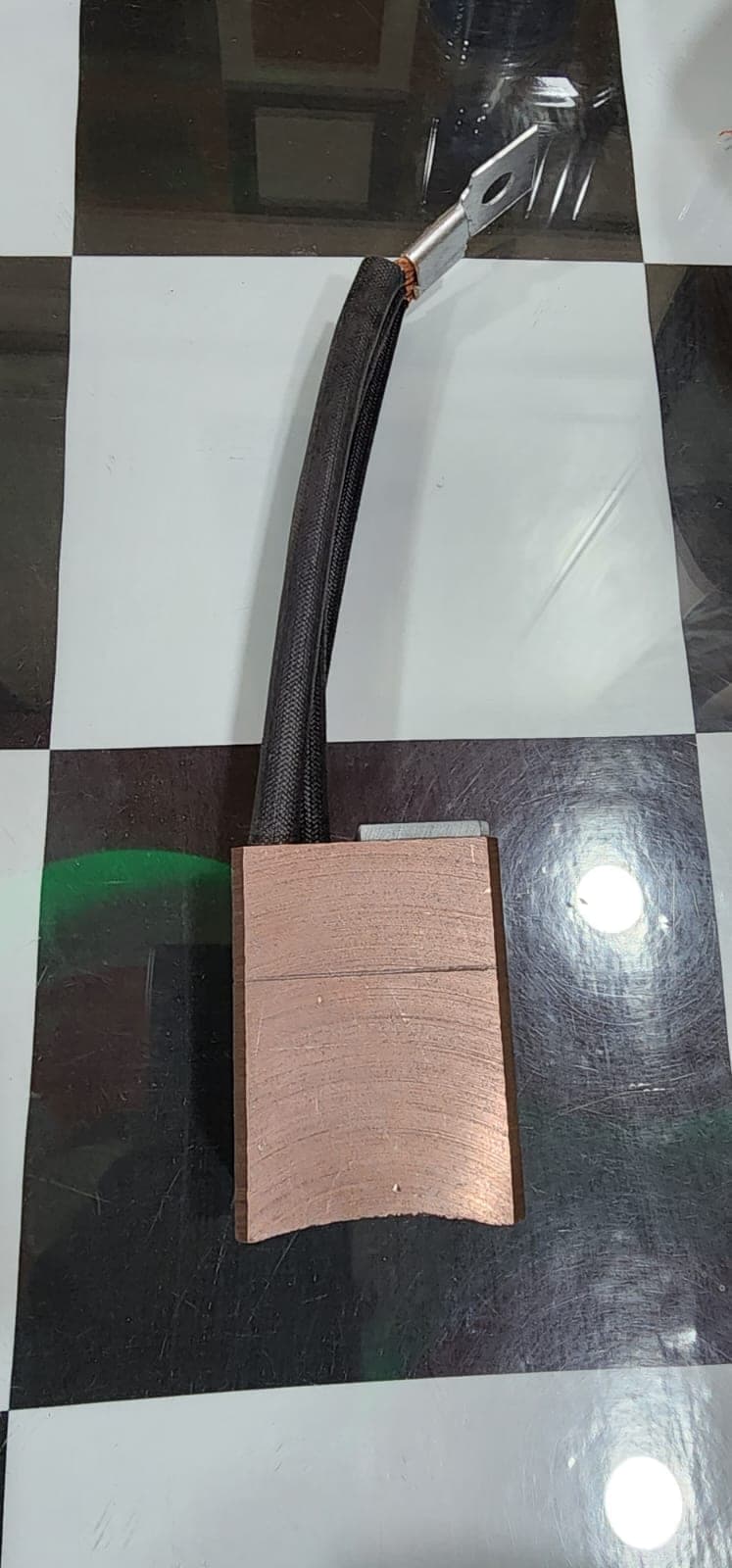
Specifications
| Types | AC brushes, DC brushes, split-wafer |
|---|---|
| Grades | Electro-graphite / Metal-graphite / Natural graphite |
| Leads | Single or twin flexible braided copper |
| Terminals | Fork / Spade / Slotted / Ring type |
| Contact Face | Flat or radiused to commutator |
| Sizing | Made to sample or drawing |
| Material | Electro-graphite, copper metal-graphite, natural graphite grades; braided copper leads |
Applications
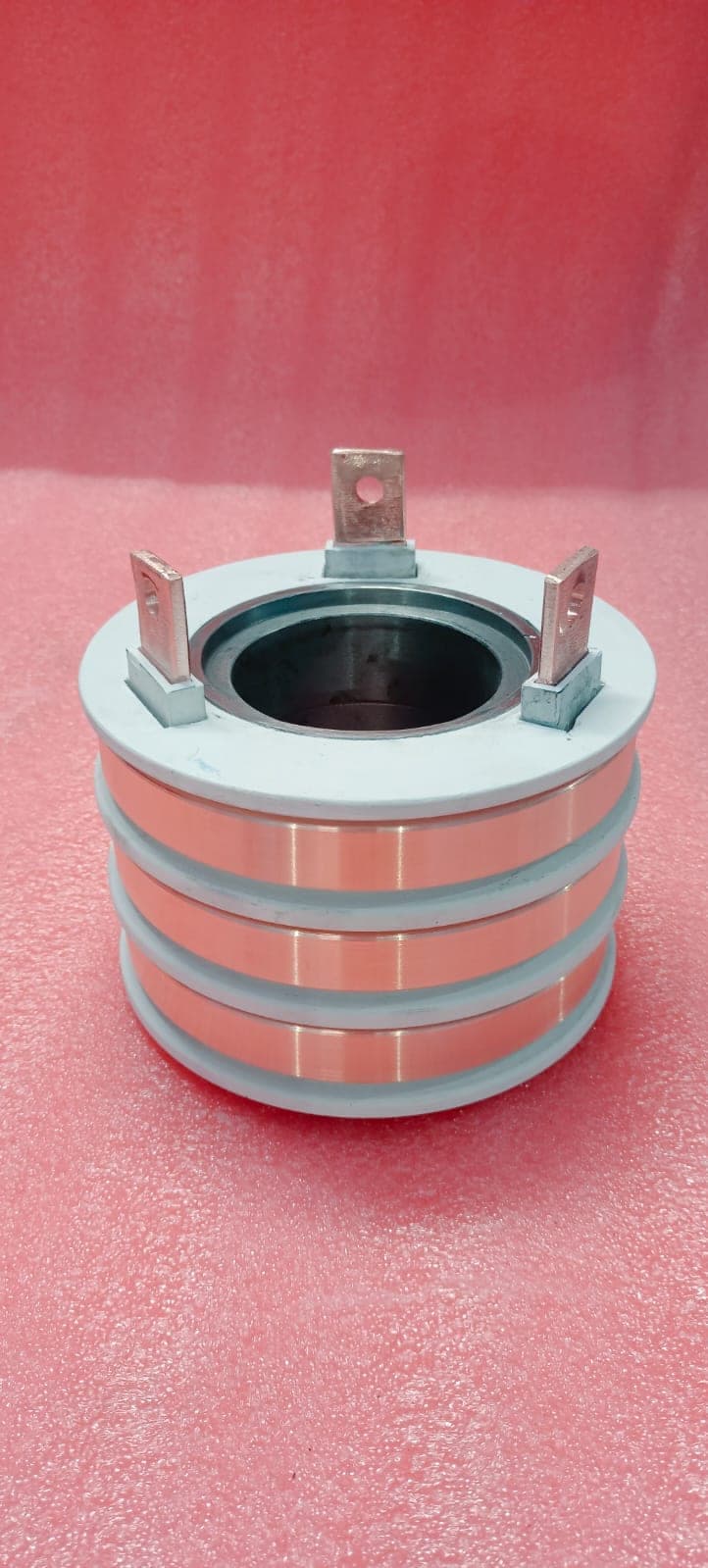
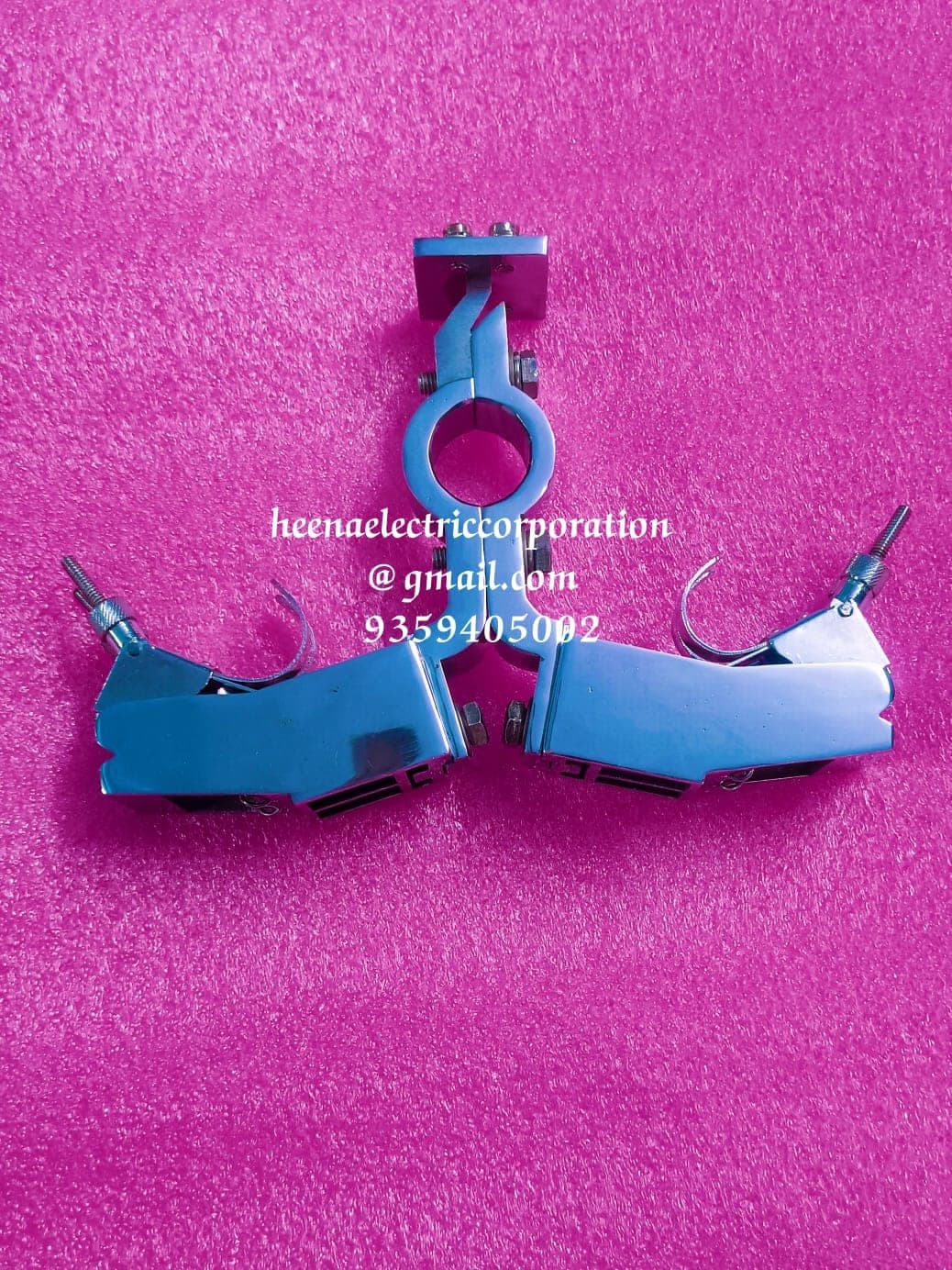
- Slip ring motor brush gear
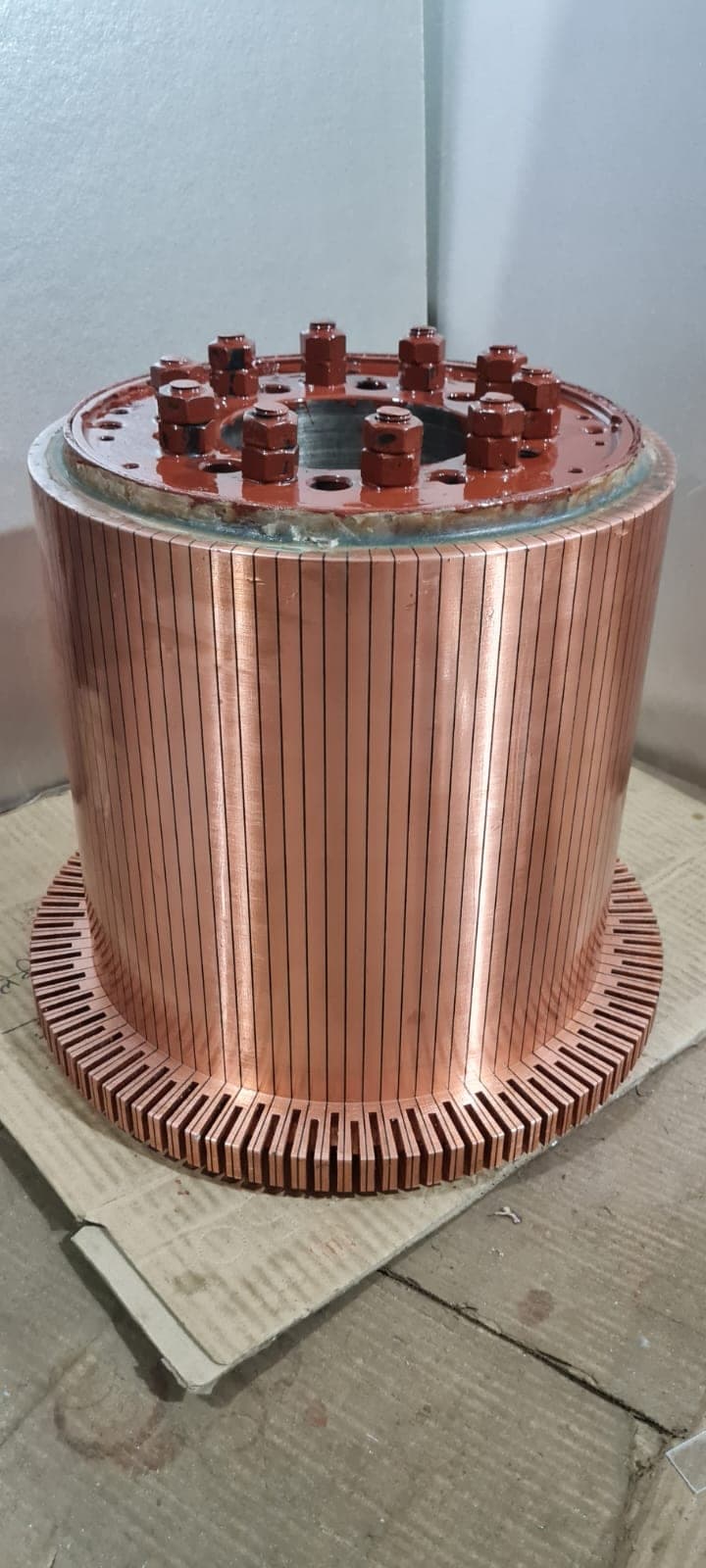
- DC motor commutation
- Generators & alternators
- Crane & rolling mill motors
- Traction & auxiliary machines
Key Features
- Exact grade matching for your machine
- Curved contact face that fits the motor quickly
- Strong, low-resistance terminals
- Split designs for large machines
- Same quality in every batch
How we make carbon brushes
Brush manufacturing starts from the sample you send. We record the grade family, the block dimensions, the contact-face angle or radius, the lead length and gauge, and the terminal type — then produce to those figures. Contact faces are finished flat or radiused to the commutator or ring diameter so the brush beds in quickly instead of arcing while it wears to shape. Flexible braided copper leads are tamped into the brush body for a low-resistance joint, single or twin depending on the current, and finished with fork, spade, slotted or ring terminals. Once a brush has been made for you, the specification is held so repeat batches fit the same holders.
Production gallery
Carbon Brushes — common questions
What is the difference between AC and DC carbon brushes?
It is mainly about grade and duty rather than a different product. Brushes on AC slip ring motors run on smooth rings and carry high rotor current, so copper metal-graphite grades with low contact drop are common. Brushes on DC machines have to commutate — reverse current as they pass between segments — so electro-graphite grades with higher contact resistance are usually chosen to control that switching. Fitting the wrong family causes rapid wear or commutator damage.
How do I select the right carbon brush for my motor?
The most reliable method is to match what is already working: send a used brush and tell us the machine and its rating. We reproduce the grade family, dimensions, lead and terminal from that sample. Choosing purely from a catalogue number risks a substitution that behaves differently on your machine.
Can carbon brushes be manufactured according to a sample?
Yes — that is the normal way we work. A worn brush is enough, provided the terminal and lead are intact so we can measure them. If the brush is worn very short, tell us the original length or the holder box depth.
What terminals and leads can you supply?
Single or twin flexible braided copper leads, in the length and gauge your holder needs, with fork, spade, slotted or ring terminals. Split and wafer designs are made for large machines.
Why are my carbon brushes wearing out too fast?
Common causes are a worn brush holder that no longer holds correct spring pressure, a scored or out-of-round ring or commutator surface, vibration causing the brush to bounce, abrasive dust on the contact track, or a grade that does not suit the duty. Replacing brushes alone rarely solves it — the holder and the contact surface need checking at the same time.